Connection pooling is normally a lifesaver or a supply of problems, depending on how it’s tuned. It’s simple in precept, but the best stability between these parameters is what separates easy efficiency from mysterious slowdowns. If all connections are already in use, the request waits until one is on the market, up to a defined timeout. Every handshake consumes CPU and reminiscence, so eventually the server runs out of sources or starts rejecting connections. Instruments like SQLAlchemy, JDBC, Prisma, or Node.js’s pg-pool embody it, and it’s normally just ready to be configured correctly. Technically, a pool manages a set of reusable connections so that every request doesn’t have to start from scratch.
These solutions present some of the benefits of connection pooling by maintaining long working connections to the database server and reusing them for multiple queries throughout the codebase. It would possibly take a look at alexhost.com information such as the database consumer, the particular operations that shall be performed, the type of encryption, or the database objects accessed. When a shopper connects to the connection pooler and requests a connection, the pooler performs a fast assessment of the request traits. A connection pooler is liable for opening, closing and maintaining connections to the database on behalf of shoppers. These connections, nonetheless, sometimes have decrease overhead as a result of the majority of the heavy processes occur when establishing connections to the database itself.
- As a trusted adviser to the Fortune 500, Purple Hat provides cloud, developer, Linux, automation, and software platform applied sciences, in addition to award-winning companies.
- A pool that’s too large can exhaust the database’s own connection limit, or waste memory on connections that largely sit idle — each open connection consumes resources on the database server whether it’s actively operating a question or not.
- Already have a website?
- Red Hat® Trusted Software Supply Chain helps organizations build safety into the software program development life cycle from the start.
- Whereas growth and staging environments can help you anticipate most of the conditions you may face in production, some challenges only begin to floor at scale.
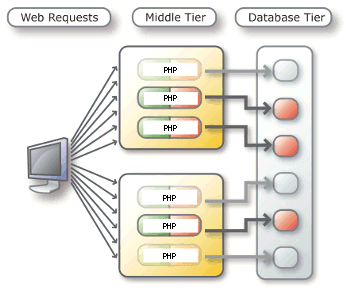
This ecosystem of instruments and services empowers architects to design highly scalable and environment friendly purposes whereas minimizing connection administration overhead. For instance, the absence of encryption parameters in connection strings can result in connection failures, rendering the pool ineffective. Relying on how database limits are applied, overprovisioned connection swimming pools can create important useful resource rivalry as the server struggles to manage extreme simultaneous connections. In database environments, connection limits are usually decided by service tiers or useful resource configurations. Configure max_client_conn appropriately and implement application-side retry logic with exponential backoff to deal with momentary pool saturation gracefully without cascading failures. Pooling reduces required instance measurement by multiplexing connections, letting you downgrade from costly tiers whereas maintaining throughput through environment friendly useful resource sharing.
Q2 How Does Thread Pooling Improve Performance?
When it involves dealing with database operations in Node.js, one key concept that builders and companies alike must be acquainted with is database connection pooling. Then, it acquires the lock to make sure exclusive entry to the shared state of the connection pool. First, it acquires the lock to make sure exclusive access to the shared state of the connection pool. The primary principle of connection pooling is to maintain up a pool of connections which may be prepared to be used, somewhat than creating and destroying connections as required.